
Self-Aligning Bearings: Enhanced Durability for Misalignment-Prone Applications
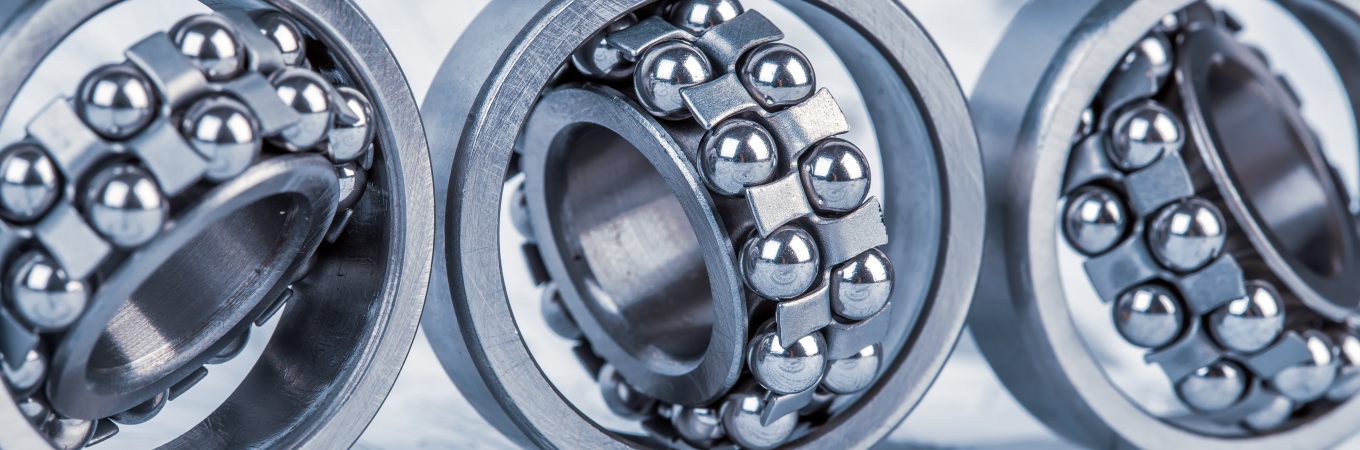
Self-aligning bearings are specialized bearings crafted to handle angular misalignment between shafts and housings. This misalignment tolerance is achieved through their unique construction, which includes two rows of balls and a spherical outer raceway. This configuration allows the bearing to automatically adjust to misalignment without compromising load capacity or performance. Commonly found in applications such as agricultural machinery, conveyor systems, and various types of industrial equipment, self-aligning bearings are prized for their durability, low maintenance requirements, and ability to function effectively under conditions that would be challenging for other bearing types.
Key Features of Self-Aligning Bearings
Self-aligning bearings possess a set of distinct characteristics that make them ideal for applications where misalignment is frequent:
Double Row Design: Self-aligning bearings feature two rows of balls, which evenly distribute load across the bearing. This design ensures smooth operation and increased load capacity, even under dynamic conditions where misalignment occurs.
Spherical Outer Raceway: The spherical shape of the outer raceway enables the bearing to accommodate angular misalignment by allowing the inner race to rotate freely within a specific range. This flexibility is invaluable in applications with shifting loads or fluctuating shaft positions.
Reduced Maintenance Needs: The self-aligning capabilities reduce wear on both the bearing and surrounding components by minimizing the effects of misalignment. This feature not only extends the life of the bearing but also lowers maintenance costs, making it ideal for applications requiring continuous operation.
Vibration and Shock Absorption: Self-aligning bearings are resilient to vibrations and shock loads, which helps maintain stability in equipment that experiences uneven forces or impact. This shock resistance adds to their reliability in heavy-duty applications.
Compatibility with Variable Speeds: With their ability to maintain alignment under various speeds, self-aligning bearings are suited to applications where rotational speeds fluctuate. This adaptability helps prevent performance issues even when operating conditions change.
Enhanced Efficiency: By compensating for misalignment, these bearings reduce friction and, in turn, minimize heat generation, which contributes to overall energy efficiency.
Types of Self-Aligning Bearings
Self-aligning bearings are available in several types, each optimized for different operational needs:
Self-Aligning Ball Bearings: This type is designed specifically for applications with minor misalignments. Featuring two rows of balls and a spherical outer raceway, they offer smooth, low-friction performance and are commonly used in light- to medium-load applications such as electric motors and conveyors.
Spherical Roller Bearings: Spherical roller bearings are ideal for high-load applications and can accommodate significant misalignment. They are equipped with large rollers that allow for heavy radial loads and moderate axial loads in both directions. This type is typically found in heavy machinery, mining equipment, and agricultural machinery.
Double Row Self-Aligning Bearings: Double-row self-aligning bearings provide increased load capacity and stability, making them suitable for applications where misalignment is constant and loads are high. They are used in industries such as paper manufacturing, steel processing, and material handling.
Self-Aligning Bearing Units: These units consist of a self-aligning bearing housed in a pre-assembled unit. They are often used in industries where ease of installation and removal is essential, such as conveyor systems and processing equipment. The units can be directly mounted to machinery, streamlining setup and maintenance processes.
Applications Across Various Industries
Self-aligning bearings are a versatile solution, widely used across industries where shaft misalignment is a common issue:
Agricultural Machinery: In farming equipment, such as tractors and harvesters, self-aligning bearings manage misalignment caused by rough terrain and variable loads. They help ensure smooth operation, minimizing downtime and improving efficiency in demanding field conditions.
Conveyor Systems: Conveyor systems often face misalignment due to shifting loads and heavy use. Self-aligning bearings help maintain stability, extending the conveyor’s lifespan and reducing maintenance frequency. They are particularly useful in industries like logistics, mining, and food processing.
Industrial Equipment: Manufacturing machinery, including presses, mills, and mixers, often experiences misalignment due to machine vibrations and heavy loads. Self-aligning bearings provide reliable support under these conditions, enhancing equipment longevity and performance.
Electric Motors: Electric motors in both industrial and consumer applications benefit from self-aligning bearings, which help prevent performance degradation from misalignment. They ensure smoother operation, reduce noise, and lower energy consumption.
Mining and Construction Equipment: Heavy-duty equipment, such as excavators and drilling rigs, relies on self-aligning bearings to withstand shocks, vibrations, and misalignment caused by challenging environments. These bearings contribute to operational stability and durability in rugged conditions.
Textile and Paper Industries: In textile machinery and paper processing equipment, self-aligning bearings are essential for maintaining alignment under high-speed conditions, ensuring consistent quality and minimizing the need for frequent adjustments.
Benefits of Using Self-Aligning Bearings
The advantages of self-aligning bearings make them ideal for applications with misalignment challenges:
Extended Bearing Life: By compensating for misalignment, self-aligning bearings experience less stress, reducing wear and extending the bearing’s operational life. This longevity translates to cost savings through reduced replacements and maintenance.
Enhanced Reliability in Harsh Conditions: Self-aligning bearings are engineered to maintain performance in environments with vibration, shock, and dynamic loads. Their robust design contributes to stability in demanding applications, supporting uninterrupted operation.
Improved Energy Efficiency: Reduced friction and heat generation mean less energy consumption, contributing to energy efficiency in machinery. This is especially beneficial for continuous-use applications where energy savings can be significant.
Lower Maintenance Costs: The self-aligning feature reduces strain on the bearing and surrounding components, minimizing maintenance needs. In applications where maintenance is difficult, such as mining or construction sites, this feature is especially valuable.
Minimization of Downtime: The durability and self-aligning capabilities of these bearings prevent frequent repairs or adjustments, helping to avoid costly downtime. This benefit is critical in industries where operational continuity is a priority.
Versatile Design Options: With various types available, self-aligning bearings offer solutions for different load requirements and environmental conditions. This variety allows them to be customized to meet specific application needs.
Selecting the Right Self-Aligning Bearing
Choosing the appropriate self-aligning bearing involves considering factors like load capacity, speed, and operating environment. For light- to medium-load applications with minor misalignment, self-aligning ball bearings are typically sufficient. In contrast, for high-load applications where misalignment and shocks are prevalent, spherical roller bearings provide better durability. Additional factors, such as the presence of contaminants, lubrication needs, and installation requirements, will also influence the choice of bearing.
Conclusion
Self-aligning bearings offer a reliable solution for applications where misalignment is unavoidable, providing resilience, efficiency, and long-term performance. With their unique spherical design, they accommodate angular deviations without compromising on load support, making them indispensable in a variety of industrial and agricultural applications. Their ability to self-adjust and reduce wear enhances the equipment’s operational life, lowers maintenance costs, and prevents unplanned downtime. Whether in conveyor systems, heavy machinery, or electric motors, self-aligning bearings play a vital role in ensuring efficient and dependable performance across a range of demanding environments.
